In brief
- Executive function is the set of skills that lets a student organise their thinking, manage their behaviour and follow through on goals.
- It has two layers: control over focus and behaviour, and planning towards a goal.
- Instead of “why are they not trying?”, ask “what demand is overwhelming them?”
What executive function does
Executive function is a set of cognitive skills that lets a student organise their mind, manage their behaviour and follow through on goals. It is not one ability. It is a system, and it helps a student to:
- start tasks, stay on track and finish what they begin
- ignore distractions and control impulses
- hold information in mind and switch between steps
- plan ahead
It is the difference between knowing what to do and being able to do it consistently. When the system is under strain, school gets harder, even for very capable students.
Two layers that work together
A simple way to understand executive function is to split it in two. In the Skills Check, the first layer sits in the focus area and the second in the thinking area.
Focus
Executive control: over focus and behaviour
The control system behind attention: where focus goes, and what happens when it is challenged. Classrooms test it all day.
- Selective attention
- Filtering out distractions and keeping focus on what matters.
- Inhibition
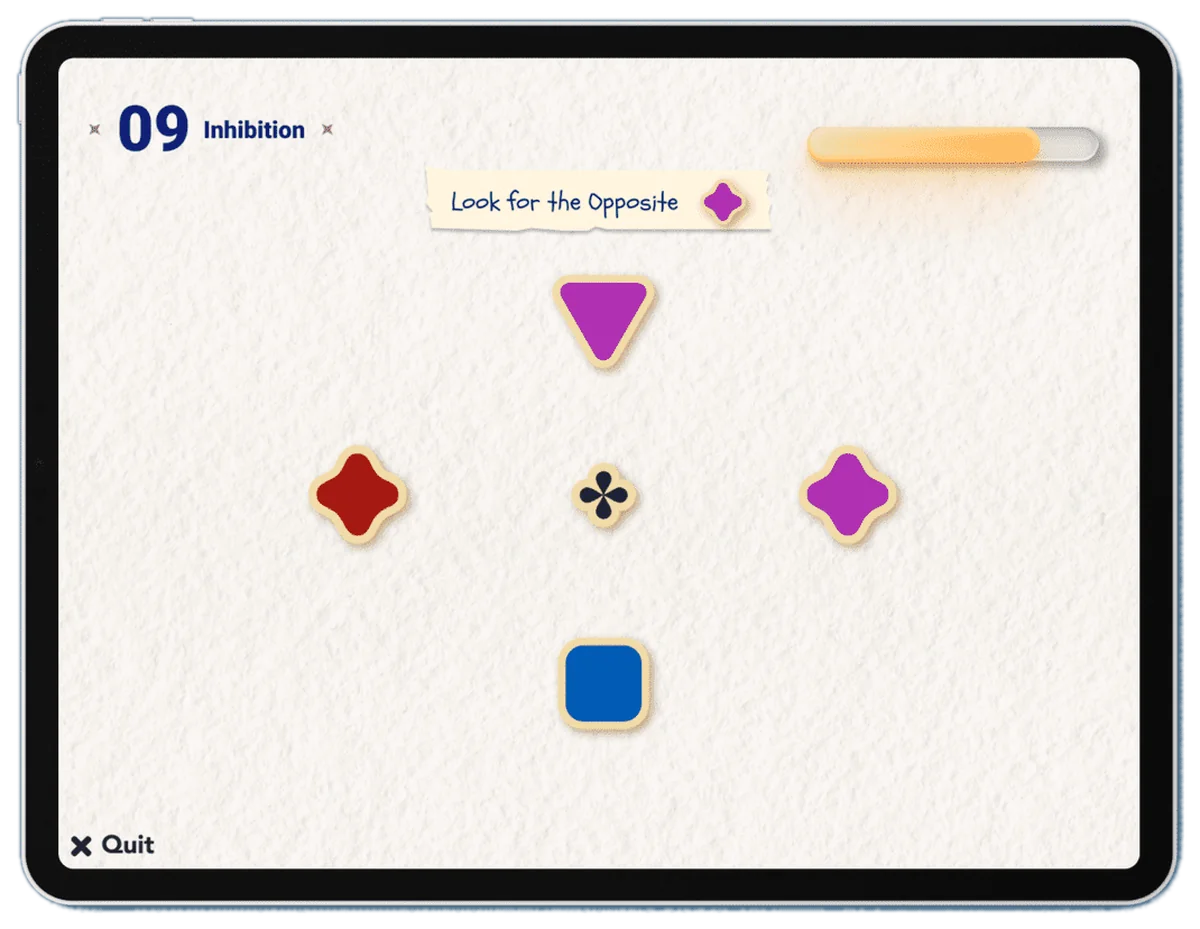
- Holding back an impulse, such as calling out, to meet a goal.
- Task shifting
- Moving between instructions or tasks without losing accuracy or momentum.
You might see a student whoknows the rules but breaks them again and again, understands the task but keeps drifting away, wants to concentrate but cannot keep it up, or makes careless mistakes despite good knowledge.
What planning involves
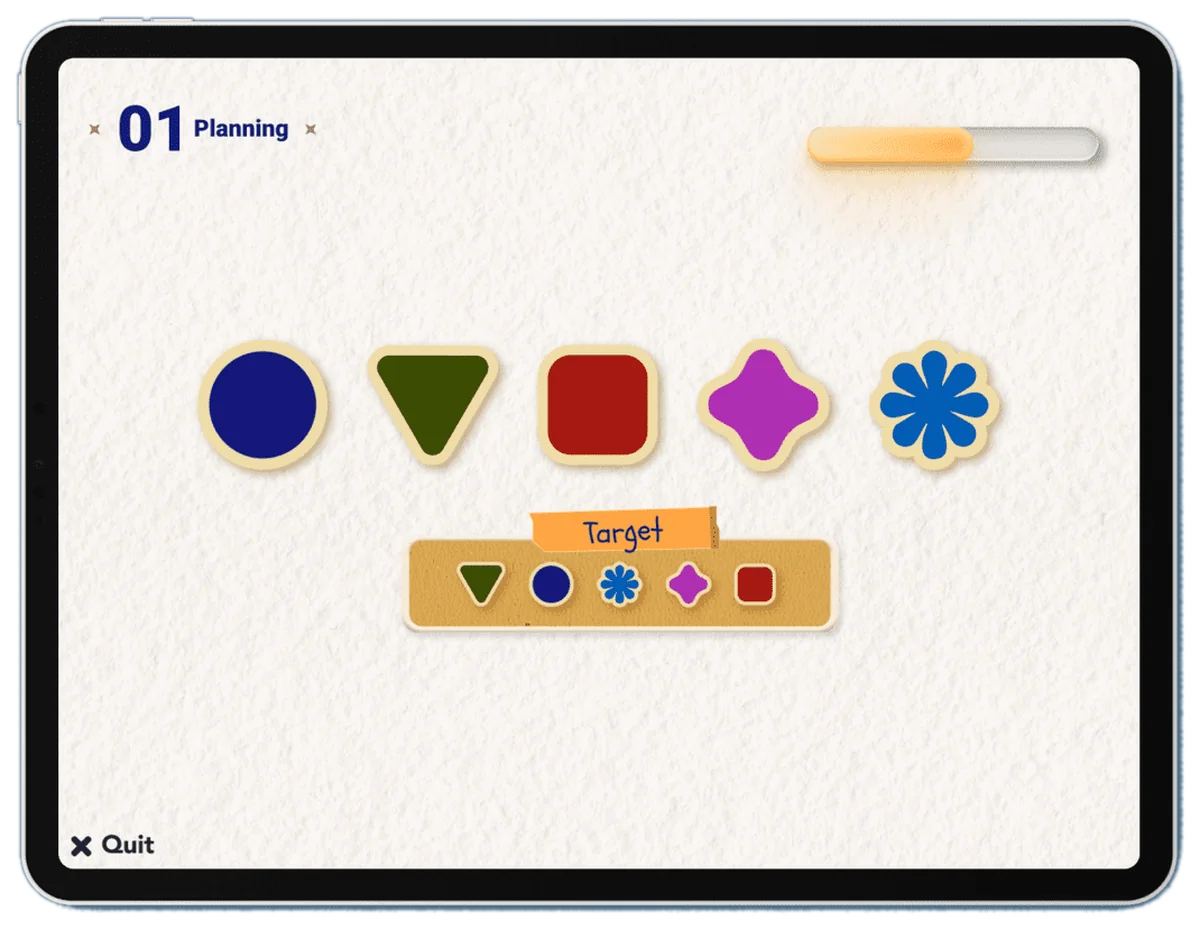
The Skills Check measures planning as one skill. In class it shows up as these five habits.
- Goal setting
- Knowing what needs to be achieved.
- Sequencing
- Breaking a task into logical steps.
- Time estimation
- Knowing how long things will take.
- Organisation
- Keeping materials, deadlines and priorities in order.
- Monitoring
- Checking progress and adjusting along the way.
You might see a student wholeaves work to the last minute, starts but does not finish, is overwhelmed by multi-step tasks, misjudges how long things take, or avoids revision because they do not know where to begin.
Why it matters so much
School is not only about intelligence. It is about management. Every day, students hold instructions in mind, prioritise, ignore distractions, move between subjects, keep track of materials, plan for deadlines and recover from mistakes.
When executive function is strong, those demands feel manageable. When it is weaker, school feels like constant friction, and over time that friction can turn into anxiety, avoidance and disengagement.
What helps
Executive function is not a fixed verdict. With strategy teaching, scaffolding and practice, students can build habits that work around the parts they find hard. Support works best when it matches the student's profile:
- Inhibition: reduce the triggers for impulses, and build in short, structured self-checks.
- Task shifting: cut unnecessary transitions, and give longer, steady time on one task.
- Planning: teach task breakdown, sequencing and realistic time estimates, with guided practice.
A better question
When a student struggles, it is easy to assume they are careless or unmotivated. Executive function changes the question.
Not “why are they not trying?” but “what demand is overwhelming them?”
That shift is where effective support starts, and it is why measurement matters. Veyra: Mind Skills Check measures inhibition, task shifting, planning and nine other skills in one lesson, so you can see which part is causing the friction and act on it early (Figs. 1 and 2).